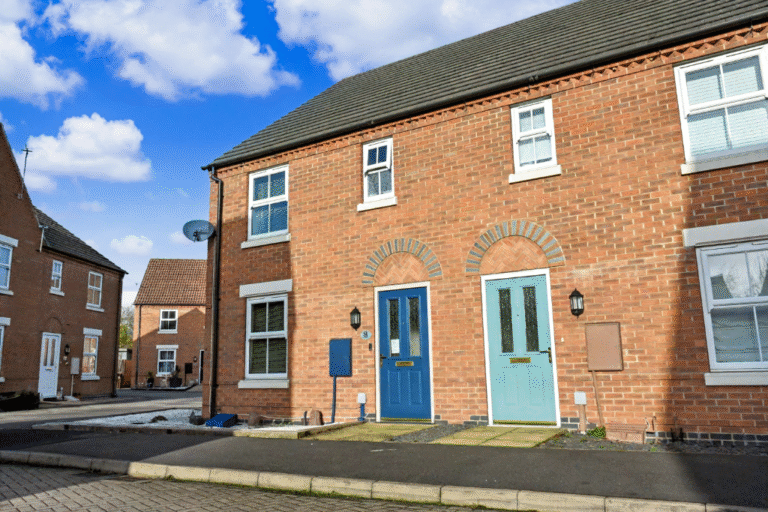
Strong Start to 2026 as Confidence Returns to Beeston’s Housing Market
The Beeston property market has entered 2026 with renewed confidence following the uncertainty that characterised the final months of 2025. As one of Nottingham’s most sought-after suburbs, Beeston continues to demonstrate resilience in a market showing clear regional variations across the UK.
National Context: What the Major Indices Tell Us
The latest data from Nationwide, Halifax, Rightmove, and Hometrack provide important context for understanding Beeston’s local market dynamics:
House Price Growth Returns
- UK average house prices grew by 1.0% to 1.2% annually (December 2025)
- National average prices: £270,873 (Nationwide) to £300,077 (Halifax)
- Nottingham city-wide annual growth: 0.6% (Hometrack)
Buyer Demand Rebounds After a Quieter End to 2025. Buyer activity has picked up significantly in January 2026. Rightmove recorded its busiest Boxing Day ever, with buyer demand rising 57% in the two weeks following Christmas compared to the fortnight before.
Mortgage Rates Hit Post-2022 Lows The average two-year fixed mortgage rate has fallen to 4.29%, the lowest level since before September 2022’s mini-Budget. For buyers in Beeston, this translates to monthly savings of over £100 compared to this time last year on a typical mortgage.
Beeston Market Snapshot: NG9 Analysis
Our detailed analysis of the NG9 postcode area reveals some fascinating local trends that differ from national patterns:
Supply Dynamics (January 2026 vs January 2025)
The Beeston market started 2026 more cautiously than 2025:
- Properties listed 1-14 January: Down 25% (48 vs 64 in 2025)
- Full January listings: Down 15.6% (151 vs 179 in 2025)
This tighter supply contrasts with the national picture, where many regions (particularly London and southern England) are experiencing significantly higher stock levels. Beeston’s lower inventory could give well-presented properties greater pricing power.
Pricing Trends in NG9
Early January pricing showed interesting shifts:
- Average asking price (1-14 Jan): £295,947 (down from £315,216 in 2025)
- Median asking price (1-14 Jan): £279,500 (up from £275,000 in 2025)
The drop in average prices is primarily mix-driven rather than indicating vendor panic. The median price actually increased, suggesting that typical properties in Beeston are holding their value well.
Full January Figures:
- Average asking price: £297,981 (compared to £315,514 in Jan 2025)
- Median asking price: £275,000 (down from £285,000 in Jan 2025)
What’s Driving Beeston’s Market in 2026?
1. Improved Affordability
The combination of wage growth outpacing house price inflation and lower mortgage rates has significantly improved affordability for Beeston buyers. According to Nationwide, mortgage payments as a percentage of take-home pay have fallen from the 2023 peak of 38% to around 32%, closer to the long-run average of 30%.
For Beeston’s typical first-time buyer market (particularly the abundance of two-bedroom properties appealing to young professionals and University of Nottingham staff), this improvement is significant.
2. Regional Performance: East Midlands Context
The East Midlands presents a mixed picture:
- Rightmove reports a -0.6% monthly change and -0.2% annual change for the region
- Regional average price: £280,598
- However, Nottingham specifically shows 0.6% annual growth (Hometrack)
Beeston, as a premium suburb of Nottingham with excellent transport links, schools, and amenities, typically outperforms regional averages. The area’s appeal to families, young professionals, and university staff provides multiple demand sources.
3. The North-South Divide
National data shows a clear north-south divide, with northern regions performing more strongly:
- North West England: +3.5% annual growth
- Scotland: +2.9% annual growth
- London: -0.7% annual decline
- South East & South West: -0.1% annual change
The East Midlands sits in the middle of this divide, with Beeston’s strong fundamentals (excellent train links to London, strong local employment, and University presence) positioning it well.
4. Stock Levels and Competition
While many areas face record-high stock levels (London up 14% year-on-year), Beeston’s 15.6% reduction in January listings creates a more balanced market. This means:
- Less competition for sellers who price correctly
- Shorter time to find a buyer for well-presented homes
- Reduced pressure for significant price reductions
Beeston Buyer Profile: Who’s Moving Here?
National data reveals interesting insights about buyer demographics that apply to Beeston:
First-Time Buyers Remain Active. First-time buyers continue to represent an increasing share of market activity. In Beeston, this demographic is particularly strong due to:
- Proximity to the University of Nottingham (academic and professional staff)
- Excellent transport links (Beeston station provides direct access to Nottingham, Derby, and London)
- Vibrant high street and local amenities
- Relative affordability compared to similar suburbs elsewhere
Income Differentials Nationwide’s analysis shows that actual first-time buyer earnings in the Midlands tend to be much closer to regional averages than in areas like London (where buyers earn 45% above average). This indicates relatively healthy housing affordability in Beeston, making homeownership more accessible.
Second-Steppers and Families Beeston’s excellent primary schools (including several ‘Outstanding’ rated options), parks, and family-friendly environment continue to attract second-stepper families upgrading from smaller properties or relocating from other areas.
Property Types in Demand
Based on Beeston’s housing stock and national trends, certain property types are performing particularly well:
Two-Bedroom Properties
- Strong appeal to first-time buyers and young professionals
- Rental investment potential due to university proximity
- Asking prices typically £200,000 to £250,000
Family Homes (3-4 Bedrooms)
- Victorian and Edwardian terraces in high demand
- Semi-detached and detached properties in premium streets
- Price range: £275,000 to £450,000+
Period Properties Beeston’s character properties, particularly Victorian terraces and semi-detached homes with original features, continue to command premium prices when well-presented.
Mortgage Market: Opportunities for Beeston Buyers
The mortgage market improvements create real opportunities:
Enhanced Borrowing Capacity Hometrack notes that many households can now borrow up to 20% more with the same income and mortgage rate compared to a year ago. For a Beeston buyer earning £40,000 annually:
- Previous borrowing capacity: ~£180,000 (4.5x income)
- Improved affordability could support borrowing closer to 5x income in some cases
- Combined with reduced rates, this significantly expands buyer budgets
Rate Competition With the average two-year fixed rate at 4.29% and some lenders offering rates as low as 3.47% for borrowers with larger deposits, monthly payments are considerably more affordable than 12 months ago.
Market Outlook: What to Expect in 2026
National Predictions Halifax forecasts UK house price growth of 1% to 3% for 2026, with continued improvement in affordability supporting market activity.
Beeston-Specific Factors
Several factors suggest Beeston will perform at or above regional averages in 2026:
- Supply Constraints: With 15.6% fewer properties coming to market, well-priced homes should attract strong interest
- Infrastructure Developments: Ongoing improvements to Beeston town centre and transport links enhance the area’s appeal
- University Stability: The University of Nottingham’s continued strength provides sustained demand from staff and families
- Affordability Advantage: Compared to similar suburbs in other university cities, Beeston offers better value
- Quality of Life: The balance of urban amenities and green spaces continues to attract diverse buyer demographics
Predicted Growth: 1.5% to 2.5% for 2026. While Beeston may not match the North West’s stronger growth, its fundamentals support above-average performance for the East Midlands region.
Advice for Beeston Sellers in 2026
If you’re considering selling your Beeston property in 2026, the current market requires a strategic approach:
1. Pricing is Critical
With one-third of properties nationally seeing price reductions and increased stock in many areas, accurate initial pricing is more important than ever. In Beeston’s tighter market, correctly priced properties will stand out, but overpricing risks extended marketing periods.
Key Considerations:
- Recent comparable sales in your specific street or area
- Current competition (fewer listings mean less direct comparison)
- Property condition and presentation quality
- Unique features that justify premium pricing
2. Presentation Matters More
With buyers having more time to consider options and compare properties, presentation quality significantly impacts sale prices and speed. Even in Beeston’s relatively tight market, buyers can afford to be selective.
Focus Areas:
- Kerb appeal (first impressions count)
- Decluttering and neutral decoration
- Addressing obvious maintenance issues
- Professional photography highlighting property strengths
3. Timing Considerations
The traditional spring market (March through June) typically sees peak buyer activity. However, the strong January rebound in buyer interest suggests motivated purchasers are active now.
Advantages of Early Listing:
- Less competition from other sellers
- Motivated buyers actively searching
- Potential completion before summer
- Avoid the end-of-year slowdown
4. Marketing Strategy
Quality marketing is essential in a market where buyers have time to research thoroughly. This includes:
- Professional photography and floorplans
- Detailed, accurate descriptions highlighting Beeston’s locational benefits
- Appropriate listing on major portals with premium placement where justified
- Targeted marketing to likely buyer demographics (families, professionals, etc.)
Advice for Beeston Buyers in 2026
Current market conditions present genuine opportunities for Beeston buyers:
1. Take Advantage of Improved Mortgage Rates
With rates at their lowest since late 2022:
- Get a mortgage agreement in principle early in your search
- Consider whether to fix for 2 or 5 years based on your circumstances
- Shop around; rates vary significantly between lenders
- Factor in the total cost, not just the headline rate
2. Don’t Rush, But Don’t Delay
The market has shifted from the panic-buying of early 2025 (ahead of stamp duty changes) to a more measured environment. However:
- Well-priced properties still attract multiple viewings quickly
- The best properties in prime Beeston locations remain competitive
- Spring market (March onwards) typically sees increased buyer competition
3. Be Prepared to Negotiate
While Beeston’s tighter supply provides sellers with some pricing power, the national trend of price reductions means:
- Vendors are often more realistic about achieving asking prices
- Properties that have been on the market for extended periods may offer negotiation opportunities
- However, don’t expect significant discounts on well-priced, recently listed properties
4. Consider Total Costs
With stamp duty thresholds back to pre-2025 levels (in England), factor in all costs:
- Stamp duty (nil on first £125,000 for most buyers)
- Survey and legal fees
- Potential improvement costs
- Moving expenses
- Ongoing costs (Council Tax, utilities, maintenance)
5. Research Beeston Micro-Markets
Beeston isn’t a homogeneous market. Different areas offer different characteristics:
- Beeston Rylands: Period properties, family-friendly, close to primary schools
- Old Beeston: Character properties, proximity to the high street
- Beeston Fields: Modern developments, often appealing to first-time buyers
- Near University: Higher rental yields, but potentially more transient neighbours
Understanding these nuances helps identify the right area for your specific needs and budget.
Investment Perspective: Beeston Buy-to-Let Market
For property investors, Beeston continues to offer interesting opportunities:
Rental Demand Drivers:
- University of Nottingham (student and staff accommodation demand)
- Queen’s Medical Centre and City Hospital (healthcare professionals)
- Boots’ headquarters in Beeston (employee accommodation)
- Excellent transport links attract commuters
Typical Yields:
- Two-bedroom properties: 5-6% gross yield
- Three-bedroom family homes: 4.5-5.5% gross yield
- Student HMOs: Higher yields but increased management intensity
Investment Considerations:
- Licensing requirements for HMOs
- Property condition and maintenance costs
- Tenant demographics and management approach
- Capital growth potential alongside rental income
While mortgage rate increases have compressed yields relative to recent years, Beeston’s fundamentals continue to support solid rental demand and modest capital appreciation potential.
The Bigger Picture: Economic Factors Affecting Beeston
Several broader economic factors will influence Beeston’s property market in 2026:
1. Interest Rate Trajectory
The Bank of England Base Rate decisions will directly impact mortgage rates. Current market expectations suggest:
- Rates likely to hold steady in early 2026
- Potential for modest decreases later in the year if inflation continues to moderate
- This should maintain or slightly improve current affordability levels
2. Employment and Wage Growth
Nottingham’s employment market, particularly in healthcare, education, and the pharmaceutical sector (Boots), offers stability. Wage growth continuing to outpace house price inflation will further improve affordability.
3. Confidence and Sentiment
The uncertainty following the 2025 Autumn Budget appears to have cleared, with buyer and seller confidence returning. Maintaining this confidence depends on:
- Stable economic conditions
- No unexpected tax or regulatory changes
- Continued employment market strength
4. Build-to-Rent Developments
National trends toward build-to-rent and increased rental supply may impact parts of Nottingham, though Beeston’s established residential character means direct impact is likely limited.
Sustainability and Energy Efficiency
An increasingly important factor in Beeston’s property market is energy efficiency:
EPC Requirements. While current minimum standards remain at EPC rating E for rental properties, future regulations are likely to tighten. Buyers increasingly consider:
- Energy efficiency ratings
- Potential improvement costs
- Ongoing utility expenses
- Environmental impact
Impact on Values Properties with poor EPC ratings may face:
- Reduced buyer interest
- Lower valuations
- Required improvements before sale or rental
Opportunities Beeston’s Victorian and Edwardian housing stock often requires energy efficiency improvements, creating opportunities for:
- Buyers are willing to undertake renovations
- Adding value through targeted improvements
- Accessing green mortgage products with favourable rates
Local Infrastructure and Development
Several factors specific to Beeston and Nottingham will influence property values:
Transport Links
- Beeston station’s direct services to London St Pancras (under 2 hours)
- Nottingham tram network proximity
- M1 motorway access
- Planned improvements to local cycling infrastructure
Retail and Amenities
- Beeston’s thriving independent high street
- Recent and planned retail developments
- Parks and green spaces (Highfields Park, Attenborough Nature Reserve nearby)
- Cultural venues and community facilities
Education
- Multiple ‘Outstanding’ rated primary schools
- Proximity to selective secondary schools
- University of Nottingham campus access
- Sixth form and further education options
These factors continue to make Beeston attractive to families and professionals, supporting sustained property demand.
Conclusion: A Balanced Market with Opportunity
The Beeston property market in early 2026 presents a more balanced picture than recent years. Neither a runaway boom nor a significant correction, current conditions favor:
For Sellers:
- Realistic pricing and quality presentation are essential
- Tighter supply than nationally provides some pricing power
- Motivated buyers are active and seeking value
- The right property, priced correctly, will attract interest
For Buyers:
- Improved affordability through lower mortgage rates and wage growth
- More time to make considered decisions than in the panic of early 2025
- Opportunities for negotiation, particularly on longer-listed properties
- Beeston’s fundamentals support long-term value retention
Looking Ahead: The remainder of 2026 is likely to see modest price growth in Beeston, supported by improved affordability, steady employment, and the area’s enduring appeal to diverse buyer demographics. While unlikely to match the dramatic gains of the pandemic period, this represents a return to more sustainable, long-term market dynamics.
For anyone considering a property transaction in Beeston, the message is clear: success in this market requires realistic expectations, thorough preparation, and strategic timing. Whether you’re buying your first home, upsizing for a growing family, or investing in rental income, Beeston remains one of Nottingham’s most attractive property markets.
About Argyle Property Associates: We are a local, independent estate agency specialising in the Beeston and wider Nottingham property market. Our in-depth local knowledge and personalised service help buyers and sellers navigate the market with confidence. Contact us for a free, no-obligation valuation of your Beeston property.