
West Bridgford is a suburb located in the Rushcliffe borough of Nottinghamshire, England. It has a rich history that dates back to the medieval period and has played a significant role in the development of Nottinghamshire. To give a flavour of that rich history, we have put together this short blog with a history of West Bridgford from 1066 to the present day.
Medieval Period (1066-1485)
During the Norman Conquest, West Bridgford was known as Bridgford and was part of the Saxon Kingdom of Mercia. In 1086, the Domesday Book recorded that Bridgford was a small village with a population of around 50 people. During the medieval period, Bridgford remained a small agricultural community, with most of the population engaged in farming and agriculture.
Tudor Period (1485-1603)
During the Tudor period, Bridgford continued to grow and develop. The population increased, and the village became known for its market and fairs. In 1545, the first bridge was built over the River Trent in Bridgford, and the town was renamed West Bridgford. The bridge was a significant development as it provided a vital crossing point for trade and commerce between Nottingham and the rest of England.
Georgian and Victorian Era (1714-1901)
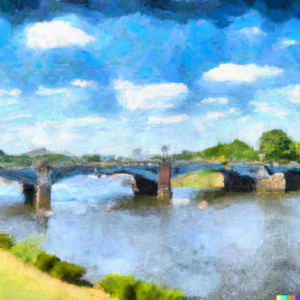 West Bridgford saw significant growth and expansion during the Georgian and Victorian eras. The population increased, and the village became a hub for trade and commerce. In 1760, a new bridge was built over the River Trent, the world-famous “Trent Bridge”. The bridge was a vital transportation link, connecting Nottingham with the rest of England, and it played a crucial role in the development of West Bridgford.
In the mid-19th Century, West Bridgford became a popular destination for affluent families, who built large mansions and villas in the area. The village also became known for its beautiful gardens and parks, which attracted visitors from all over the country.
Early 20th Century (1901-1945)
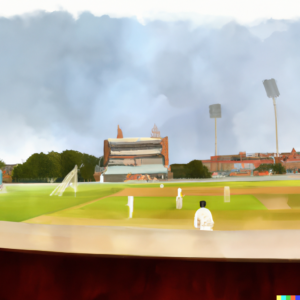
In the early 20th Century, West Bridgford continued to grow and develop. The population increased, and new housing developments were built to accommodate the growing population. In 1905, Trent Bridge Cricket Ground was opened, quickly becoming one of the country’s most famous cricket grounds. The ground has hosted numerous international cricket matches, including the ashes, and it is considered one of the world’s most prestigious cricket venues.
Post-War Period (1945-1980)
After the Second World War, West Bridgford continued to grow and expand. The population increased, and new housing developments were built to accommodate the growing population. In the mid-20th Century, the Forest Football Stadium was built, which quickly became the home of Nottingham Forest Football Club. The stadium has hosted numerous football matches, including the European cup finals, and it is considered one of the country’s most important football venues.
Modern-day (1980-Present)
West Bridgford is a thriving suburban area with a strong local community and rich cultural heritage. In the late 20th and early 21st Century, West Bridgford continued to grow and develop. The population increased, and new housing developments were built to accommodate the growing population.
In recent years, West Bridgford has become a popular destination for shopping, dining, and entertainment. The area is home to a wide range of independent shops, boutiques, cafes, and several well-known chain stores. There are also several restaurants, bars, and pubs in the area, serving a variety of cuisines and drinks.
One of the most popular dining destinations in West Bridgford is Central Avenue, which is home to many popular restaurants and bars. The area is known for its lively atmosphere and a popular spot for locals and visitors. There are also several cafes and coffee shops in the area, serving various hot and cold drinks and light bites and snacks.
In addition to shopping, dining, and entertainment, West Bridgford is also home to parks and open spaces. These include Victoria Park, a popular spot for picnics, walks, and other outdoor activities. The park is also home to many sporting facilities, including tennis courts, bowling greens, and a croquet lawn.
Conclusion
West Bridgford is a suburb with a rich history that dates back to the medieval period. Over the centuries, the area has played a significant role in the development of Nottinghamshire and has a proud cultural heritage. Today it is one of the most popular locations in Nottinghamshire for everyone from young families to retirees.